
Species · Omnivore rodent
Chinese Hamster
Cricetulus griseus
The slim, long-tailed, mouse-like hamster — nervous but tameable, best kept alone, and illegal to keep in California.
Difficulty: Beginner–IntermediatePrintable care sheet →
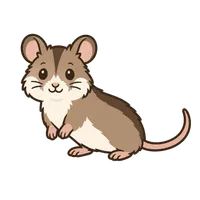
The Chinese hamster stands apart — slim and mouse-like with an unusually long tail, not a true dwarf. Nervous and a little nippy when young, it tames into a calm, endearing pet that will cling to your finger with all four paws. Note the legal catch: it’s illegal to keep in California without a permit.
Care at a glance
| Adult size | Slim and mouse-like — body about 8–13 cm (3–5 in) with an unusually long 2–3 cm tail, weighing roughly 30–45 g. |
|---|---|
| Lifespan | Typically 2–3 years as a pet. |
| Enclosure | Far bigger than shop cages, with a solid floor and deep bedding to tunnel. A tank with a ventilated lid or a narrow-barred cage suits this small, agile climber — with a nest box, sand to dig, and hides. |
| Companionship | Best kept solitary. Chinese hamsters are naturally territorial and tend to become aggressive toward cage-mates — especially in a cage that’s too small — so, like the Syrian, they should live on their own. Never mix species or sexes. |
| Temperature | Keep indoors, warm and out of draughts and damp. Too cold and a hamster can slip into a dangerous torpor — warm a cold, stiff hamster gently, offer food and water, and call a vet if unsure. |
| Bedding & substrate | A deep layer of safe paper-based bedding over a solid floor, plus a sand area. Never cotton-wool or fluffy strand bedding. |
| Enrichment & exercise | Nocturnal, active and an agile climber — a large solid axle-free wheel, tunnels, deep bedding, sand and safe gnaw items; scatter-feeding suits their foraging. |
| Grooming & upkeep | Self-grooming; a sand bath keeps the coat clean. Provide gnaw items for the continuously-growing teeth. |
| Diet | A good-quality hamster pellet or seed/grain mix with constant fresh water. As a small dwarf-type it’s sensible to keep sugar low — avoid sugary muesli-style mixes and limit fruit. |
| Supplements | None needed on a good, varied hamster diet. |
🤎 Did you know? — Chinese Hamster fun facts
Little true delights about the chinese hamster — each one checked against a named source, no pet-shop myths.
What it's like to live with a Chinese Hamster
Give a young Chinese hamster time: nervous and prone to the odd nip at first, it usually settles into one of the calmest, gentlest hamsters, with a charming habit of gripping your finger with all four paws. Nocturnal, so interact in the evening, and keep handling low and enclosed while it’s learning to trust you.
Your first month together
The settling-in period, in order — so you know what's normal and when not to worry.
- Expect nervousness and maybe a nip at first — hand-tame slowly and patiently with treats, low over a container.
- Interact in the evening when it’s awake; keep sessions low and enclosed.
- Learn its normal appetite and activity so you spot changes early.
- Keep the diet steady and sugar low; check the water bottle works.
- Find an exotic vet that sees hamsters — and, in the US, confirm it’s legal where you live.
Through the year, and as they grow
Keep it warm indoors in winter to avoid torpor, and out of direct summer heat. Watch for lumps and weight loss as it ages.
The pet store gets these wrong
Common myths, kindly corrected — no shame for having believed them.
- A Chinese hamster is not a dwarf that lives in groups — it’s territorial and best kept alone.
- The long tail doesn’t make it a mouse — it’s a hamster, just a slim, long-tailed one.
- It’s not legal everywhere — in California it’s a restricted species you can’t keep as a pet without a permit.
- Early nippiness isn’t permanent aggression — with patient taming it becomes gentle and affectionate.
Before you buy
- In the US: is it legal where you live? (California bans keeping Chinese hamsters as pets.)
- Can you provide a much larger, deep-bedded enclosure than pet shops sell?
- Do you understand it must live alone — it’s territorial, not a group dwarf?
- Are you patient with a nervous, sometimes-nippy youngster that tames with time?
- Do you have an exotic vet that treats hamsters, and accept a 2–3 year lifespan?
See a vet if…
We can't diagnose from afar — but these are the signs to stop watching and get a professional:
- A wet, soiled rear end with diarrhoea and low energy — “wet tail” is a fast, often fatal emergency
- Not eating, weight loss, or a hunched, low-energy hamster
- Excessive drinking or urinating, or unexplained weight change (keep sugar low)
- Any lump or swelling, or overgrown front teeth
- A hamster that is cold and stiff (torpor) — warm it gently and seek advice
Never
- Never keep two Chinese hamsters together, or mix species or sexes.
- Never keep one in California (or anywhere it’s restricted) without the required permit.
- Never use cotton-wool or fluffy strand bedding, or a wire-mesh floor.
- Never let it get cold enough to risk torpor, or leave it in direct heat.
Common chinese hamster questions
How hard are Chinese Hamsters to keep — are they good for beginners?
Beginner–Intermediate. Easy to house and, once tamed, gently affectionate — but nervous and nippy as a youngster, and (in the US) legally restricted in California, so check your local law before you commit.
What do Chinese Hamsters eat?
A good-quality hamster pellet or seed/grain mix with constant fresh water. As a small dwarf-type it’s sensible to keep sugar low — avoid sugary muesli-style mixes and limit fruit.
How big an enclosure do Chinese Hamsters need?
Far bigger than shop cages, with a solid floor and deep bedding to tunnel. A tank with a ventilated lid or a narrow-barred cage suits this small, agile climber — with a nest box, sand to dig, and hides.
Do Chinese Hamsters need a companion, or can they live alone?
Best kept solitary. Chinese hamsters are naturally territorial and tend to become aggressive toward cage-mates — especially in a cage that’s too small — so, like the Syrian, they should live on their own. Never mix species or sexes.
What temperature do Chinese Hamsters need?
Keep indoors, warm and out of draughts and damp. Too cold and a hamster can slip into a dangerous torpor — warm a cold, stiff hamster gently, offer food and water, and call a vet if unsure.
What bedding and substrate do Chinese Hamsters need?
A deep layer of safe paper-based bedding over a solid floor, plus a sand area. Never cotton-wool or fluffy strand bedding.
What enrichment and exercise do Chinese Hamsters need?
Nocturnal, active and an agile climber — a large solid axle-free wheel, tunnels, deep bedding, sand and safe gnaw items; scatter-feeding suits their foraging.
What grooming and upkeep do Chinese Hamsters need?
Self-grooming; a sand bath keeps the coat clean. Provide gnaw items for the continuously-growing teeth.
What supplements do Chinese Hamsters need?
None needed on a good, varied hamster diet.
How big do Chinese Hamsters get?
Slim and mouse-like — body about 8–13 cm (3–5 in) with an unusually long 2–3 cm tail, weighing roughly 30–45 g.
How long do Chinese Hamsters live?
Typically 2–3 years as a pet.
What are the signs Chinese Hamsters are sick or need a vet?
See a small-animal or exotics vet if you notice: A wet, soiled rear end with diarrhoea and low energy — “wet tail” is a fast, often fatal emergency; Not eating, weight loss, or a hunched, low-energy hamster; Excessive drinking or urinating, or unexplained weight change (keep sugar low); Any lump or swelling, or overgrown front teeth; A hamster that is cold and stiff (torpor) — warm it gently and seek advice.
Free tools for your chinese hamster
Sources & further reading
This guide was written and fact-checked against these authorities. It's kind, general guidance — not a diagnosis or a substitute for an exotics vet:
- Wikipedia — Chinese hamster (cited) — body 82–127 mm, tail 20–33 mm, 30–45 g, 2–3 yr; solitary/territorial, nippy but tames; illegal in California (permit only); long dorsal-striped tail
- RSPCA — Keeping hamsters together — Chinese hamsters aren’t naturally sociable and should always live on their own; don’t mix species/sexes
- California Code of Regulations tit. 14 §671 (Animal Legal & Historical Center) — only golden (Mesocricetus) and Phodopus dwarves are exempted; Cricetulus griseus is restricted
- RSPCA — Creating a good home for hamsters — deep bedding, solid floor, big wheel, no cotton wool, torpor
Written and fact-checked by The Hayfold Team against veterinarian-authored sources — if your pet shows a red-flag sign above, see an exotics/small-animal vet promptly.