
Species · Omnivore rodent
Fat-Tailed Gerbil
Pachyuromys duprasi
A calm, docile desert gerbil with a club-shaped, fat-storing tail — insect-loving, happy alone, and a gentle change from the social Mongolian gerbil.
Difficulty: Beginner–IntermediatePrintable care sheet →
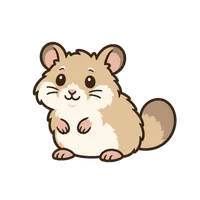
The fat-tailed gerbil, or duprasi, is a calm, slow-moving desert gerbil with a distinctive club-shaped tail that stores fat and water. Unlike the busy, strictly-social Mongolian gerbil, it’s notably docile, insect-loving, and often happiest living alone. Give it deep dry sand to dig, warmth, and a protein-rich diet, and it’s one of the gentler exotic rodents. This is the honest guide — including where the care evidence is thinner.
Care at a glance
| Adult size | A body of about 10 cm plus a short, club-shaped tail; pet duprasi typically weigh about 40–60 g (wild animals average less). The tail is short and thick — its plumpness is a health gauge, not a length measure. |
|---|---|
| Lifespan | About 5–7 years (a maximum around 8 years is recorded). |
| Enclosure | A secure glass tank or large barred cage with a solid floor and a deep layer of sand (or a sand-and-soil mix) at least 15–20 cm deep, since they love to dig — in the wild they burrow up to a metre down. Add a separate sand bath, hides, tunnels, safe wood to gnaw and a solid wheel. Keep the setup dry, well ventilated, warm and out of direct sun. |
| Companionship | Unusually for a gerbil, duprasi are more tolerant of solitude and often live perfectly happily alone. A carefully matched same-sex pair (ideally raised together) can work, but sudden fall-outs happen without warning — so for many keepers a single, well-handled duprasi is the safest choice. (This is the opposite of the strictly-social Mongolian gerbil.) |
| Temperature | A desert animal that needs warm, dry conditions and copes badly with damp and humidity (which cause respiratory illness). Keep the room about 20–25°C with dry sand, good ventilation, and no direct sun or overheating. |
| Bedding & substrate | Deep sand or a sand-and-soil mix, at least 15–20 cm deep and kept dry, so they can dig and burrow. |
| Enrichment & exercise | Plenty of deep sand to dig, a sand bath to roll in (essential to keep the coat from turning greasy), and foraging by scattering seeds and hiding insects to hunt. Add tunnels, hides, safe gnaw-wood and a solid wheel. |
| Grooming & upkeep | A regular clean sand bath keeps the coat from becoming oily. Like other rodents their incisors grow continuously, so provide constant safe wood or hard items to gnaw; watch for overgrown teeth (drooling, dropping food, difficulty eating). |
| Diet | Unlike seed-eating gerbils, the duprasi is strongly insectivore-leaning — live or dried insects (mealworms, crickets) should be a regular, important part of the diet, aiming for a higher protein intake (around 18%). Offer these alongside a good-quality gerbil or hamster seed mix and small amounts of vegetables. Keep watery vegetables limited (a desert species — too much moisture causes diarrhoea). Fresh water always available. |
| Supplements | None specifically documented — the protein need is met by insects, not a supplement. Don’t improvise a supplement regime; a duprasi-savvy vet can advise if one is needed. |
🤎 Did you know? — Fat-Tailed Gerbil fun facts
Little true delights about the fat-tailed gerbil — each one checked against a named source, no pet-shop myths.
- The duprasi’s chunky club-shaped tail is a living desert canteen, storing fat and water — a plump tail is the sign of a healthy one.Animal Diversity Web
- Unlike other gerbils the duprasi is mostly insectivorous, hunting insects in the wild and happily taking mealworms and crickets.Animal Diversity Web
- Courting duprasi rear up on their hind legs and “wrestle” while shrieking — a ritual so dramatic it’s often mistaken for a fight.Animal Diversity Web
The pet store gets these wrong
Common myths, kindly corrected — no shame for having believed them.
- A duprasi is not a Mongolian gerbil — a plain seed diet under-feeds it; it needs insects/protein.
- “Gerbils must live in pairs” doesn’t apply here — duprasi tolerate, and often prefer, living alone; pairs can fall out suddenly.
- Damp is the real danger for this desert species — humidity causes respiratory illness; keep it dry and warm.
- A sand bath isn’t optional — without it the coat turns greasy and skin problems follow.
- The tail is a health gauge — a thin tail means underfeeding, an over-fat tail/body means too many rich treats.
Before you buy
- Can you provide a deep (15–20 cm) dry sand setup in a warm, well-ventilated room (20–25°C)?
- Can you feed an insect-inclusive, higher-protein diet (not just a seed mix)?
- Are you comfortable keeping it alone (often best) or carefully managing a same-sex pair?
- Can you keep it dry (damp/humidity causes illness) and provide a sand bath?
- Do you have access to an exotic vet familiar with desert rodents?
See a vet if…
We can't diagnose from afar — but these are the signs to stop watching and get a professional:
- Not eating, or noticeably lethargic
- Wheezing, clicking or laboured breathing (often from damp/humid conditions)
- Sudden weight loss with a thin, shrunken tail
- Drooling or difficulty eating (possible overgrown teeth)
- Bald, sore or wet patches on the skin or tail
Never
- Never feed a duprasi a plain seed diet with no insects/protein.
- Never keep it in damp or humid conditions — it causes respiratory illness.
- Never skip the sand bath (greasy coat and skin disease follow).
- Never grab it by the tail — support the body.
- Never assume it needs a companion — many do best alone.
Common fat-tailed gerbil questions
How hard are Fat-Tailed Gerbils to keep — are they good for beginners?
Beginner–Intermediate. Exceptionally docile and rarely bites — but not a standard seed-fed gerbil. The duprasi is insectivore-leaning (it needs insects/protein), does best in a deep, dry, sandy, warm setup, and is often happiest kept alone. Detailed husbandry rests on a smaller pool of specialist sources, so a duprasi-savvy exotic vet is worth finding.
What do Fat-Tailed Gerbils eat?
Unlike seed-eating gerbils, the duprasi is strongly insectivore-leaning — live or dried insects (mealworms, crickets) should be a regular, important part of the diet, aiming for a higher protein intake (around 18%). Offer these alongside a good-quality gerbil or hamster seed mix and small amounts of vegetables. Keep watery vegetables limited (a desert species — too much moisture causes diarrhoea). Fresh water always available.
How big an enclosure do Fat-Tailed Gerbils need?
A secure glass tank or large barred cage with a solid floor and a deep layer of sand (or a sand-and-soil mix) at least 15–20 cm deep, since they love to dig — in the wild they burrow up to a metre down. Add a separate sand bath, hides, tunnels, safe wood to gnaw and a solid wheel. Keep the setup dry, well ventilated, warm and out of direct sun.
Do Fat-Tailed Gerbils need a companion, or can they live alone?
Unusually for a gerbil, duprasi are more tolerant of solitude and often live perfectly happily alone. A carefully matched same-sex pair (ideally raised together) can work, but sudden fall-outs happen without warning — so for many keepers a single, well-handled duprasi is the safest choice. (This is the opposite of the strictly-social Mongolian gerbil.)
What temperature do Fat-Tailed Gerbils need?
A desert animal that needs warm, dry conditions and copes badly with damp and humidity (which cause respiratory illness). Keep the room about 20–25°C with dry sand, good ventilation, and no direct sun or overheating.
What bedding and substrate do Fat-Tailed Gerbils need?
Deep sand or a sand-and-soil mix, at least 15–20 cm deep and kept dry, so they can dig and burrow.
What enrichment and exercise do Fat-Tailed Gerbils need?
Plenty of deep sand to dig, a sand bath to roll in (essential to keep the coat from turning greasy), and foraging by scattering seeds and hiding insects to hunt. Add tunnels, hides, safe gnaw-wood and a solid wheel.
What grooming and upkeep do Fat-Tailed Gerbils need?
A regular clean sand bath keeps the coat from becoming oily. Like other rodents their incisors grow continuously, so provide constant safe wood or hard items to gnaw; watch for overgrown teeth (drooling, dropping food, difficulty eating).
What supplements do Fat-Tailed Gerbils need?
None specifically documented — the protein need is met by insects, not a supplement. Don’t improvise a supplement regime; a duprasi-savvy vet can advise if one is needed.
How big do Fat-Tailed Gerbils get?
A body of about 10 cm plus a short, club-shaped tail; pet duprasi typically weigh about 40–60 g (wild animals average less). The tail is short and thick — its plumpness is a health gauge, not a length measure.
How long do Fat-Tailed Gerbils live?
About 5–7 years (a maximum around 8 years is recorded).
What are the signs Fat-Tailed Gerbils are sick or need a vet?
See a small-animal or exotics vet if you notice: Not eating, or noticeably lethargic; Wheezing, clicking or laboured breathing (often from damp/humid conditions); Sudden weight loss with a thin, shrunken tail; Drooling or difficulty eating (possible overgrown teeth); Bald, sore or wet patches on the skin or tail.
Free tools for your fat-tailed gerbil
Sources & further reading
This guide was written and fact-checked against these authorities. It's kind, general guidance — not a diagnosis or a substitute for an exotics vet:
- Animal Diversity Web — Pachyuromys duprasi — size, fat-storing tail, teeth, diet ecology, lifespan, burrow depth
- AnAge — Pachyuromys duprasi — maximum longevity ~8.3 yr
- Royal Veterinary Center (exotics clinic) — Duprasi care sheet — specialist-clinic husbandry: sand depth, 20–25°C, ~18% protein/insect diet, solitary housing, health (single-clinic source)
Written and fact-checked by The Hayfold Team against veterinarian-authored sources — if your pet shows a red-flag sign above, see an exotics/small-animal vet promptly.